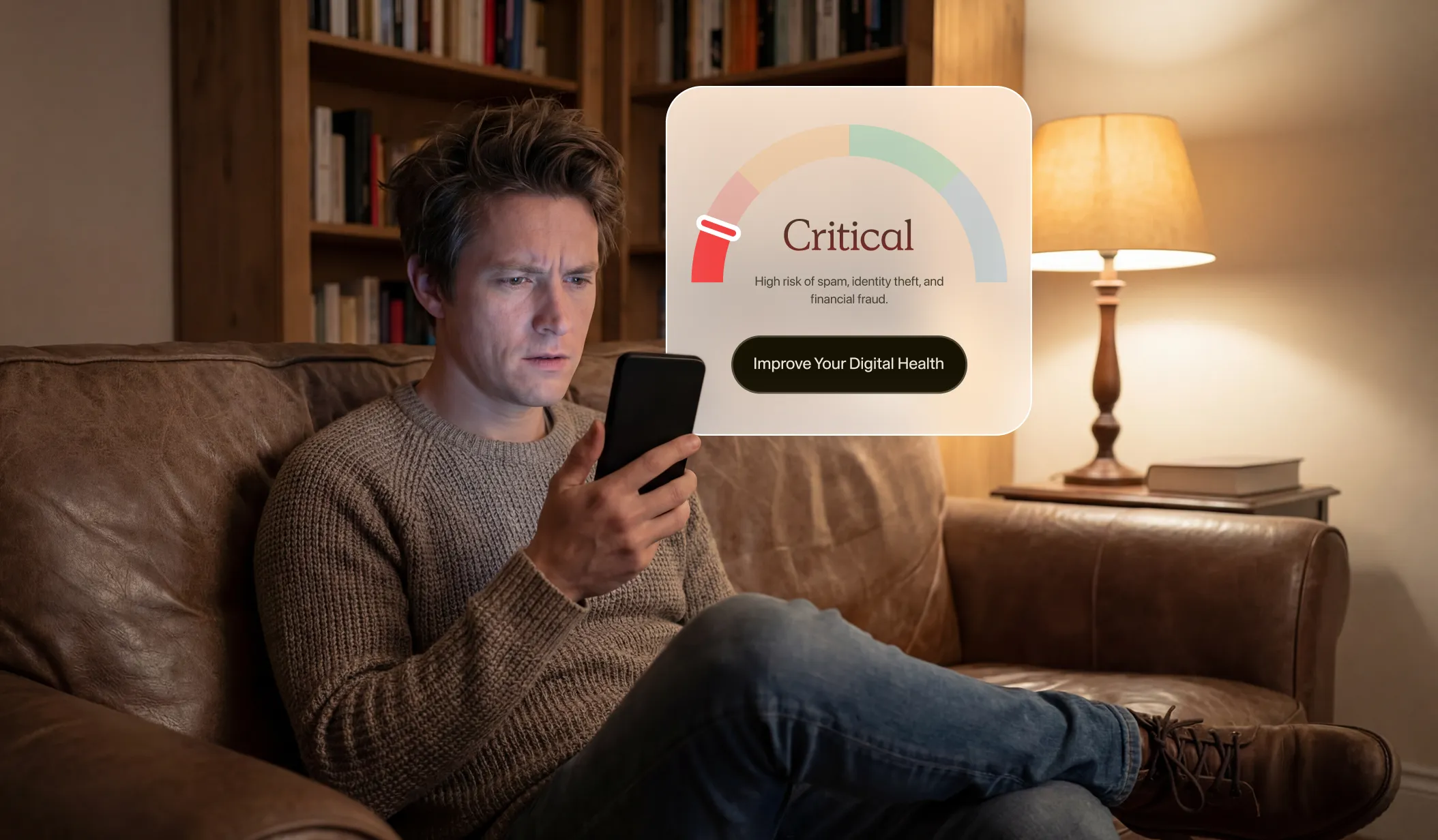
If you’re a Brinks Home customer, your first question is simple: “Am I safe right now?” Brinks Home says its alarm monitoring and system functionality weren’t impacted, even as it investigates suspicious activity detected on July 20 . The messier part is the data side. ShinyHunters claims it stole millions of customer records and support chats, plus some employee PII—claims that have been reported but not independently verified . This outline keeps it grounded: what’s confirmed, what’s alleged, what that means for you in real life, and the exact steps to take so you don’t become the next victim through phishing, impersonation, or account takeovers .
What’s Confirmed vs. What’s Being Claimed (and Why That Difference Matters)
If your brain is bouncing between “my alarm still works” and “did my data just get stolen,” you’re reacting like a normal person. The key is to separate Brinks Home’s confirmed cybersecurity update from what a threat group is claiming on the outside. That gap is where confusion—and scams—grow.
What’s confirmed (from Brinks Home and reporting on their statements)
Here’s the clean timeline and what Brinks has actually put on record:
- Suspicious activity was detected on July 20, and the company says it activated its incident response right away.
- Brinks Home has stated the incident did not impact alarm monitoring or system functionality. In plain language: your system’s ability to monitor alarms wasn’t part of what they disclosed as disrupted.
- Brinks has also said an attacker “has threatened to release information it claims to have taken” and that the material may be posted publicly. That wording matters: it’s acknowledging a threat, not confirming the full contents yet.
- As of the latest update referenced in reporting, Brinks says it’s still investigating and has not confirmed exactly what information was involved or whose.
What’s being claimed (and what hasn’t been independently verified)
The extortion group ShinyHunters has made detailed claims that have been widely reported, but are still claims unless verified by Brinks or independent review:
- Entry method: a Microsoft Entra “vishing” (voice phishing) attack, where an employee is convinced over the phone to complete an authentication/registration step that hands access to the attacker.
- Data allegedly taken: 4.9 million+ Salesforce records containing PII, including 1.1 million rows from a “Contacts” Salesforce object.
- Employee exposure: 4,000+ rows of employee PII (names, emails, job titles, phone numbers).
- Support data: 3.8 million customer support chat logs, tied to a Brinks Care Cresta instance.
- Important caveat: reporting notes the outlet didn’t review the allegedly stolen data and couldn’t verify the accuracy of ShinyHunters’ claims.
Why this difference matters to you
People hear “data breach” and assume one of two extremes: nothing happened or everything is compromised. Reality sits in the middle.
- If the confirmed impact is “data-side” (contacts, chats, employee info), your immediate risk often shifts to phishing, vishing, and impersonation, not your alarm panel failing.
- If you treat unverified claims as guaranteed facts, you can panic-click links, overshare to “support,” or fall for a fake “security reset” call.
- If you ignore the claims completely, you might miss the moment scammers start using realistic details (like phone number, service address, or support history) to sound legitimate.
One more thing Brinks has already warned about: criminals may exploit the incident by sending fraudulent messages impersonating Brinks Home or other parties, pushing suspicious links and urgency.
That’s the practical bridge between “confirmed vs. claimed” and what you’ll actually see in your inbox or voicemail.
What This Means for You: The Real Risks (Even If Your Alarm Still Works)
When a company says alarm monitoring wasn’t impacted but a threat actor claims they grabbed customer contact records and support chat logs, you’re looking at a different kind of security problem: people coming after you, not your keypad.
Risk #1: Targeted phishing that feels “too accurate”
Stolen Salesforce contact records (names, emails, phone numbers, addresses, account details—whatever was stored) are perfect fuel for messages that look routine.
What this tends to look like in real life:
- “Your payment failed—update your card to avoid service interruption”
- “Confirm your identity to keep your monitoring active”
- “We noticed suspicious activity—reset your password here”
The point isn’t to hack your alarm system. It’s to get you to hand over login details, payment info, or one-time codes.
Risk #2: Fake billing calls and “support” outreach (vishing + social engineering)
If the alleged entry point involved voice phishing (vishing), it’s a reminder that phone-based scams are on the table.
A caller doesn’t need advanced hacking skills if they can sound credible:
- They reference your name, city, or service details
- They create urgency (“technician dispatch,” “account lock,” “refund window”)
- They push a “verification” step that ends with you sharing a code or clicking a link
Risk #3: Chat logs can hand scammers your “trust signals”
Support chats are messy. People overshare in them.
If customer support chat logs were exposed as claimed, they can contain:
- Past troubleshooting steps (“I can’t log in,” “my email changed,” “my app won’t load”)
- Partial identifiers you might repeat (phone, service address, last 4 of a card if you ever shared it)
- Names of household members, scheduling habits, and other context that helps a scammer sound legit
That turns basic phishing into account-takeover attempts that feel like a normal support interaction.
Risk #4: Identity matching across breaches
Even if the data involved is “just contact info,” criminals can match it with older leaks to build a fuller profile. A name + phone number + address is often enough to:
- Attempt password resets elsewhere
- Pass weak “identity checks” with call centers
- Craft spear-phishing that hits the right channel (email vs text vs call)
The most likely next wave: impersonation using the breach as a prop
Brinks Home has warned customers that threat actors may exploit the incident by sending fraudulent messages impersonating Brinks Home or other parties involved in the response, and advised people not to click links in suspicious communications and to delete them.
That warning is your biggest clue about what’s coming: messages that mention the breach to make you panic, comply, and “verify” something.
A simple rule that blocks most of it
Treat any inbound message about your Brinks Home account—especially anything “urgent”—as suspicious until you verify it through a trusted path (like typing the official site into your browser yourself, or calling a number you already have saved).
Your Action Plan: What to Do Today, This Week, and If You Get Notified
If you do nothing else, do this: assume scammers will use the incident as a reason to contact you. Brinks Home has already warned customers about fraudulent messages impersonating Brinks Home or other parties, and specifically said don’t click suspicious links and delete suspicious messages.
Today (20–30 minutes, high impact)
- Reset your Brinks Home account password
- Make it long (a passphrase is fine).
- Don’t reuse a password you’ve used anywhere else.
- Turn on MFA (multi-factor authentication) everywhere you can
- Start with: your email account, Brinks account, banking, and your mobile carrier.
- MFA helps even when attackers have your contact info.
- Lock down your email first
- Your email inbox is where password resets land.
- Change your email password and enable MFA if you haven’t already.
- Treat “urgent” messages as hostile until proven otherwise
- If a message mentions the breach and pushes a link, slow down.
- Brinks is telling customers not to respond to suspicious communications or click links.
This week (tighten the bolts)
- Watch for account-recovery attempts
- Surprise login alerts, “your code is…,” password reset emails you didn’t request.
- If you see these, change passwords again and review security settings.
- Clean up your contact surface area
- Reduce where your real phone/email are exposed publicly.
- If you want a practical buffer for sign-ups and support tickets, Cloaked can help by giving you masked emails and phone numbers you can shut off if they start getting spammed. (This is especially useful after a breach because it limits how far a leaked contact record can follow you.)
- Start a simple incident log
- A note with dates, screenshots, caller numbers, and what was requested.
- It sounds basic, but it’s gold if you need to dispute charges or file reports later.
If you get notified your data was affected (make the decision based on data type)
Brinks has said that if it determines your information was affected, it will notify you and explain steps you should take.
When/if you receive that notice, use this rule of thumb:
Choose a credit freeze when the notice mentions anything that can open new accounts
- Social Security number
- Driver’s license / state ID
- Full DOB combined with other identifiers
A freeze is the “stop new credit in my name” move. It’s annoying once, then it buys peace.
Choose credit monitoring when it’s mainly contact or account info
- Name, email, phone, address
- Customer account details that don’t include government ID numbers
Monitoring helps you spot activity faster, but it doesn’t block new accounts by itself.
Keep your verification process strict
If someone contacts you claiming to be Brinks (or “their investigation team”):
- Don’t use the number or link they provide.
- Go to a trusted source you already had (official site you type in yourself, or a number from a past bill/contract) and initiate the contact from your side.
That one habit prevents most post-breach account takeovers.
Spot the Scams: Phishing, Vishing, and ‘Support’ Impersonation After a Breach
After a breach story hits the news, scams get easier because criminals don’t have to invent a reason to contact you. Brinks Home has already warned customers that threat actors may send fraudulent messages impersonating Brinks Home or other parties involved and told customers not to click links in suspicious messages.
How the con usually plays out (the standard 4-step script)
- A believable hook
You’ll see one of these angles show up fast:
- “Your account is on hold”
- “We need to verify your identity”
- “Your payment didn’t go through”
- “We detected unusual activity”
- A “verification” step that’s actually the trap
They’ll ask for something that sounds normal, like:
- a one-time passcode (OTP)
- your login email/password
- a link click “to confirm”
- installing an app “for secure support”
- approving an MFA prompt you didn’t initiate
This pattern lines up with what’s been reported about the alleged entry method: Microsoft Entra voice phishing (vishing), where an attacker calls and convinces someone to complete an authentication/registration flow that hands over access.
- A forced rush
They’ll pressure you with:
- “This expires in 10 minutes”
- “A technician is being dispatched”
- “Your monitoring will be disabled”
Urgency is the giveaway. Real support can wait for you to call back.
- A clean exit for them
Once they get what they need, they’ll end the call fast or stop replying. Your account trouble starts later.
Rules that stop most phishing and vishing (print these in your head)
- Don’t click. Don’t download. If a message wants you to tap a link to “fix” something, assume it’s phishing. Brinks specifically told customers not to click suspicious links and to delete suspicious messages.
- Never share one-time codes. Any request for an OTP is a red alert. A legit rep doesn’t need it.
- Don’t approve push prompts you didn’t start. Random MFA prompts are often attackers testing credentials.
- Hang up and call back using a trusted source. Not the number in the email/text. Not the number they say out loud.
- Don’t “confirm” personal details on an inbound call. If they called you, they should already have what they need.
Quick scripts you can use (so you don’t freeze up)
If you get a call:
- “I don’t handle account changes on inbound calls. I’m going to call back through the official number.”
- “I’m not sharing codes or clicking anything. Email me the info and I’ll verify it independently.”
If you get a text/email:
- “I’m not using links from messages. I’ll go to the official site directly.”
What to save (so you can report it and protect yourself)
If something feels off, grab proof before you delete it:
- Screenshots of the email/SMS (including the sender address/number)
- Voicemail recordings
- Call logs (time/date, number, what they asked for)
If you use masked contact info (like a separate number/email from Cloaked), this is also where it pays off: you can turn off the alias that’s being targeted without changing your real phone number or primary inbox.